
Pre-Industrial Design Case Studies
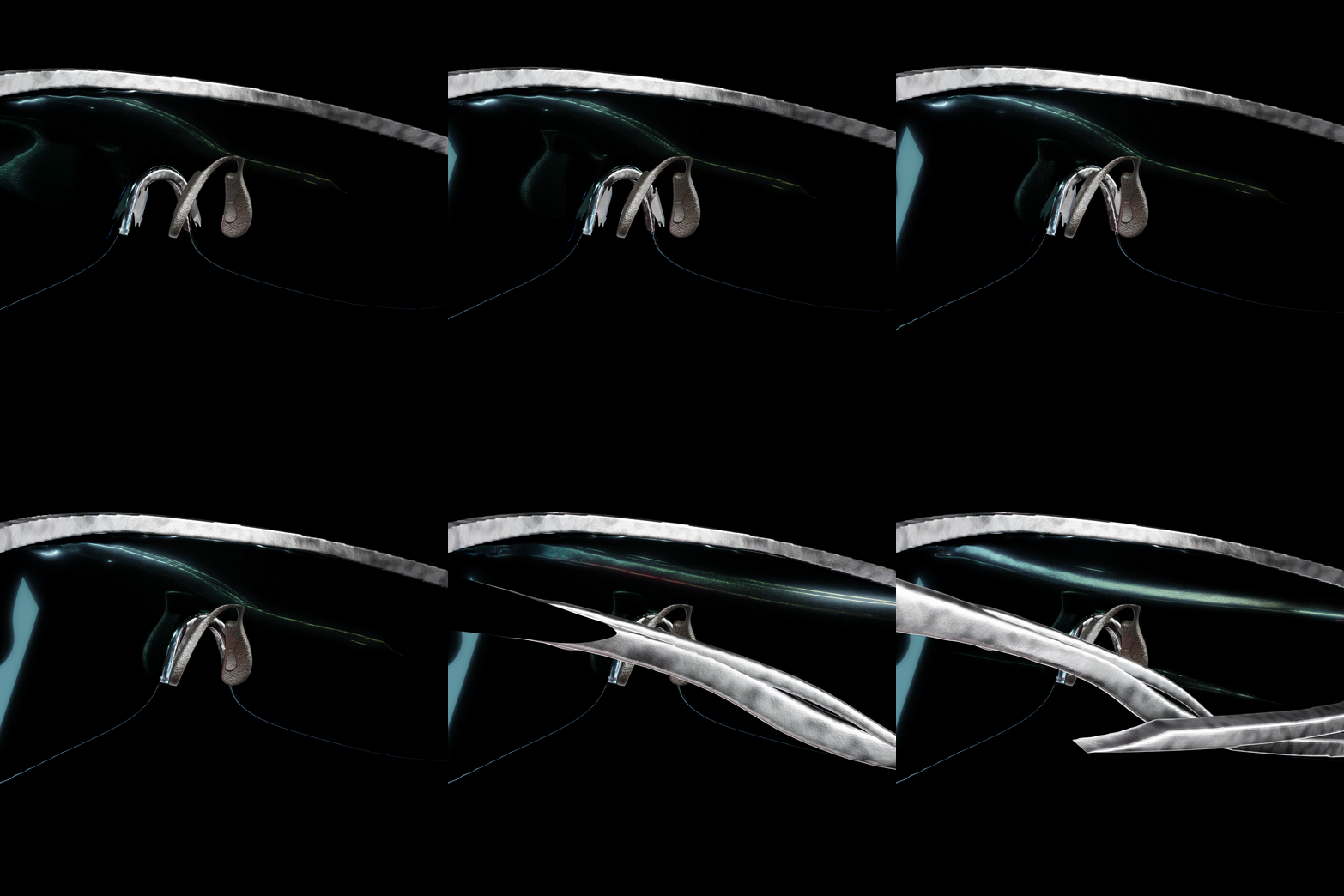
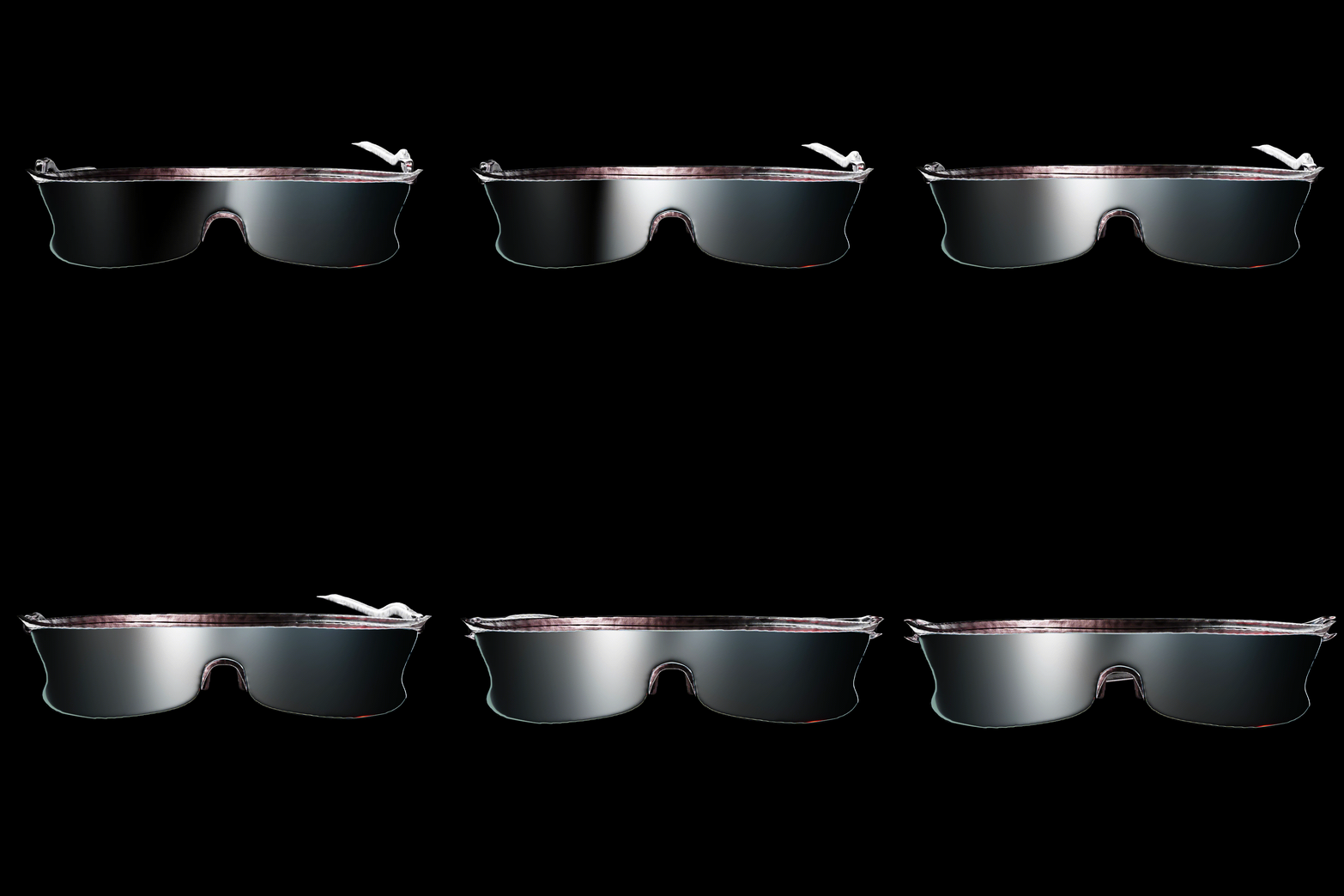
PERFORMANCE SUNGLASSES 1
Self-initiated product design exploration focused on comfort and structural logic prior to formal ID training.
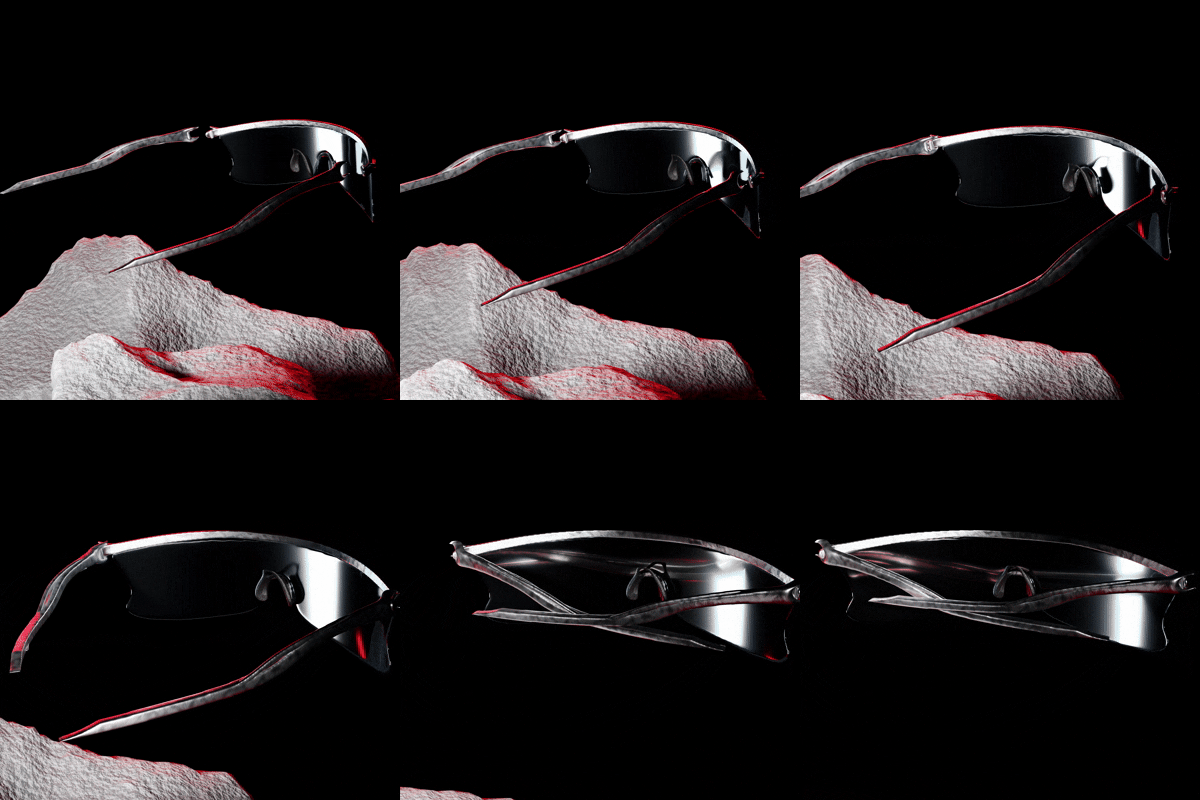
-Project made with Blender and Adobe Illustrator

DESIGN GOALS
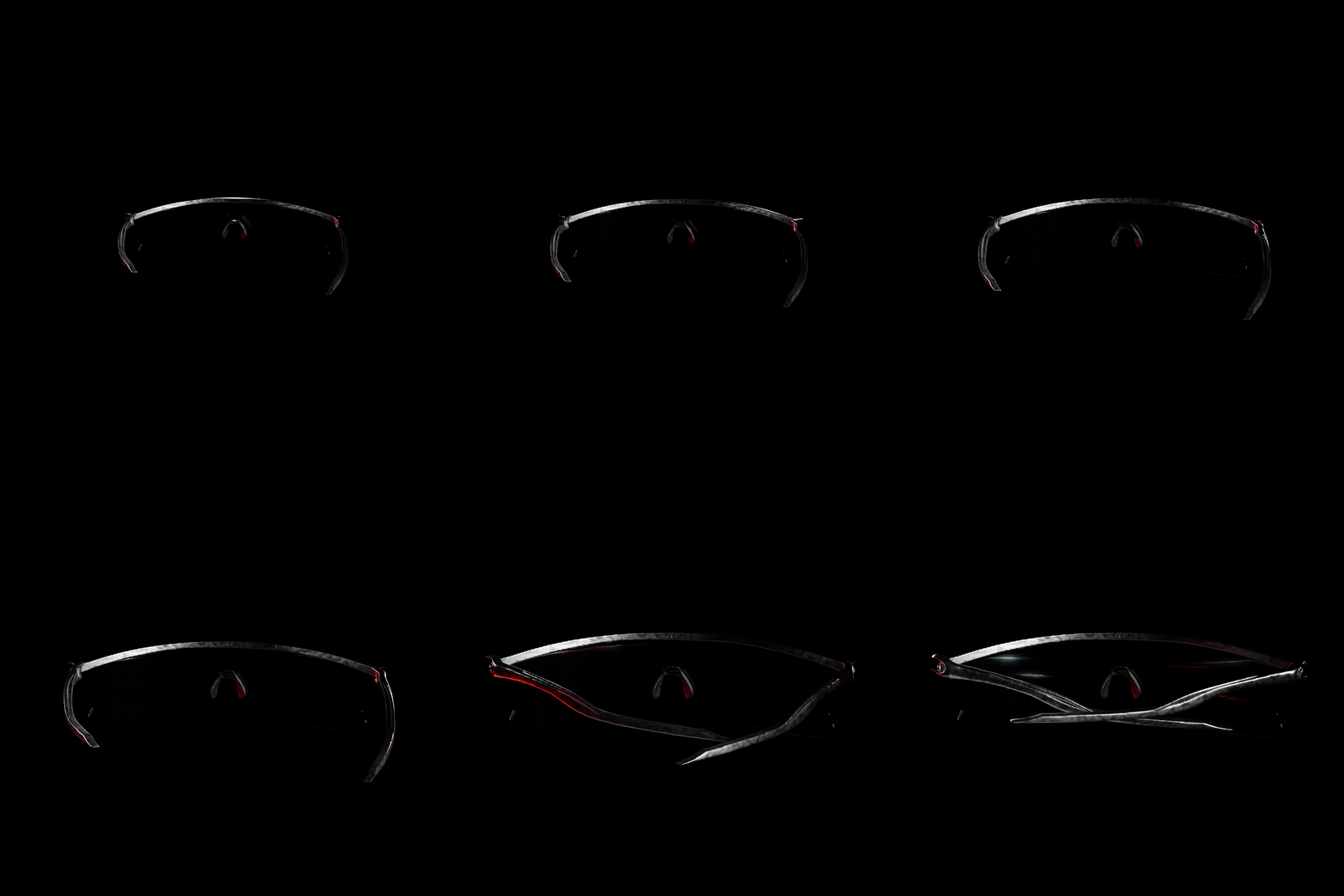
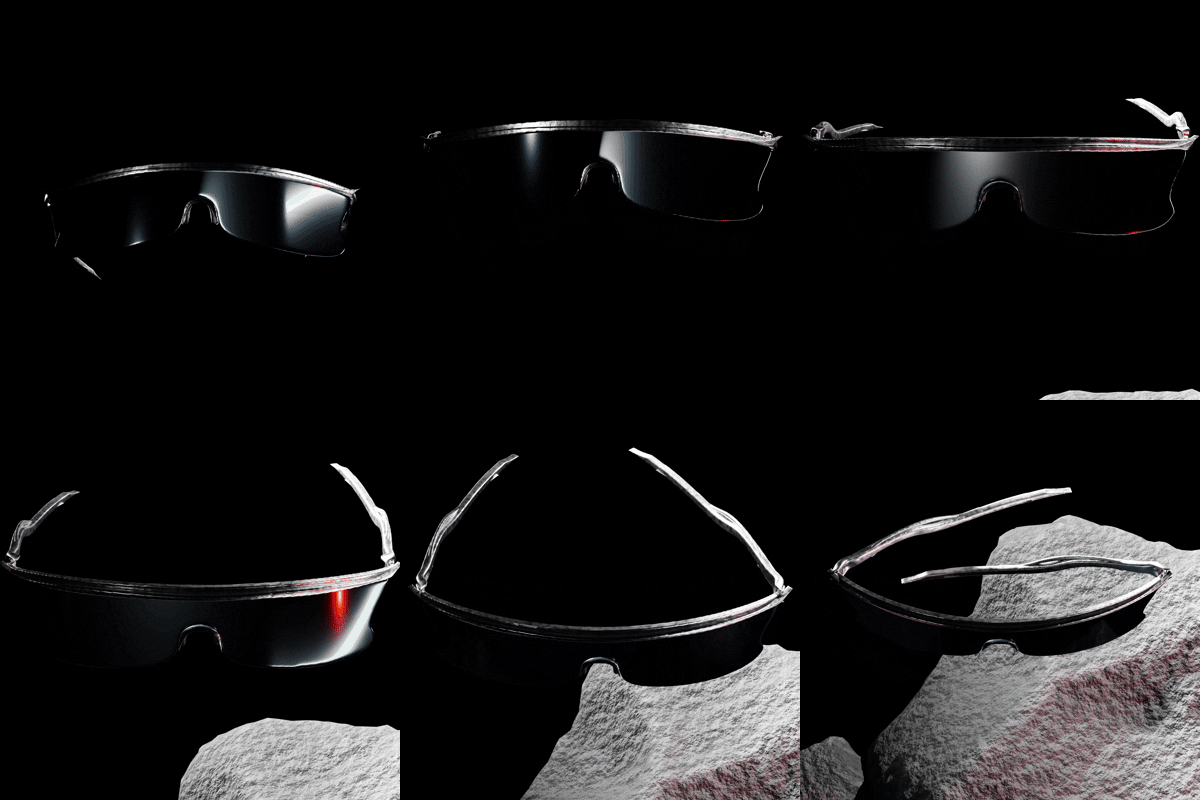
– Comfort during long wear
– Structural stability when folded and unfolded
– A clean, modular system that could be iterated further
PROBLEM
Many performance sunglasses prioritize aggressive styling and coverage but often sacrifice long-term comfort and portability. Extended wear can cause discomfort at the nose bridge, while bulky folding mechanisms make storage inconvenient.
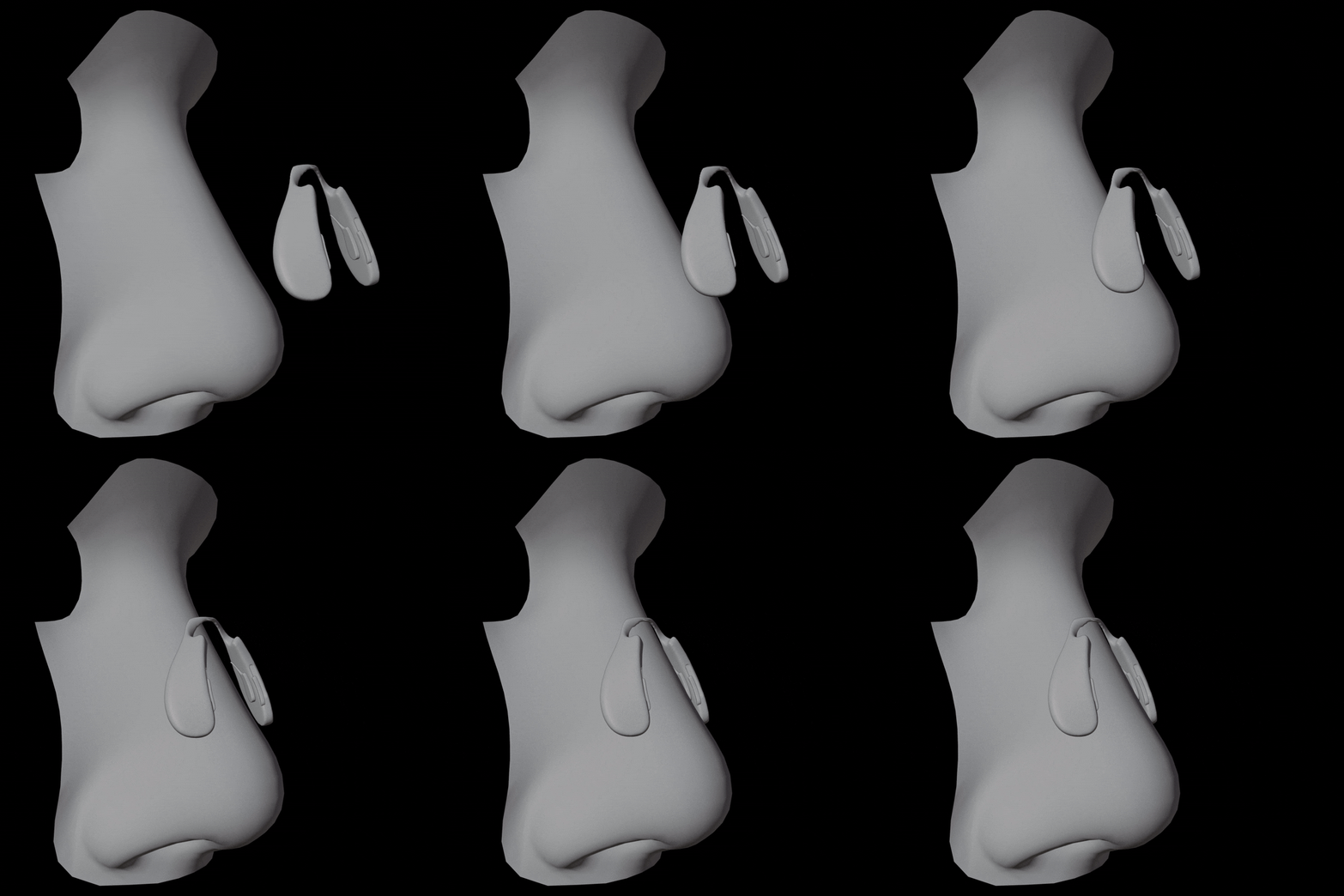
COMFORT EXPLORATION: MODULAR NOSE PIECE
To address comfort, I explored a modular nose piece system designed to distribute pressure more evenly across the nose bridge. Rather than sculpting a fixed geometry, the nose piece was designed as a separate attachment to allow for adjustability, replacement, and future material exploration.


STRUCTURE & FOLDING LOGIC
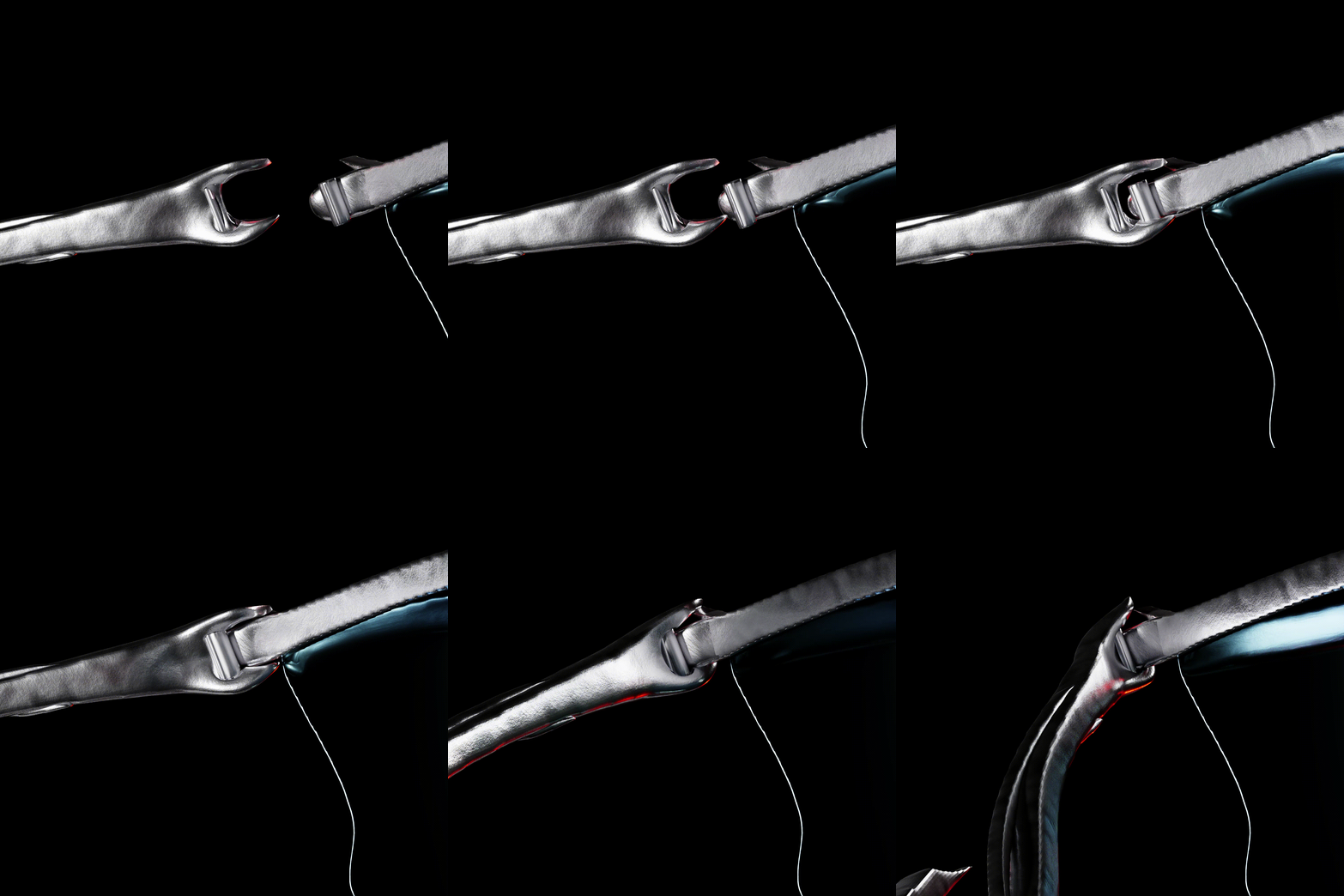
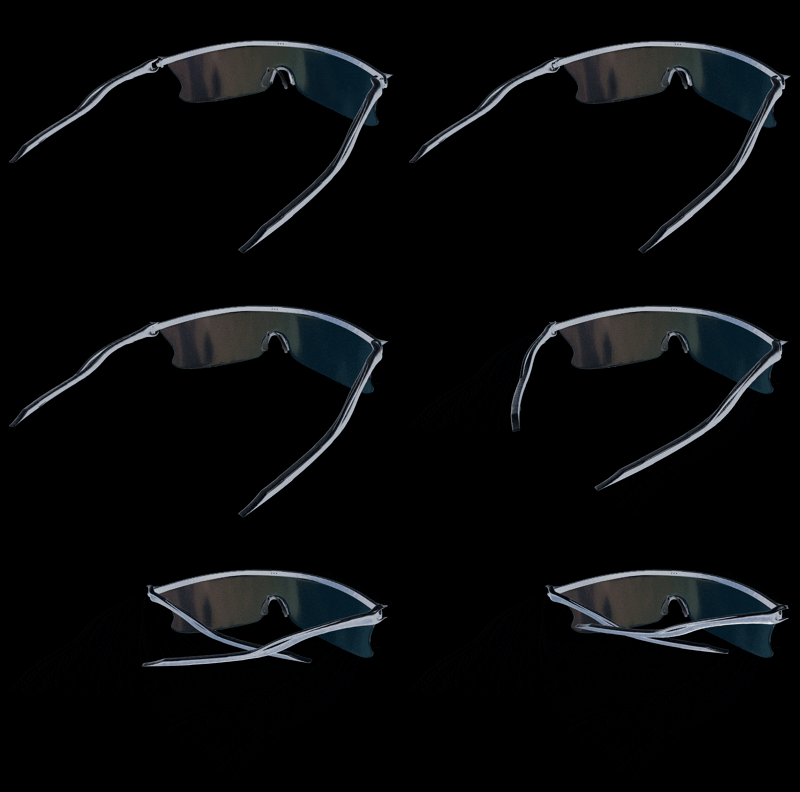
Structural logic was a key focus of this concept. The sunglasses were designed to fold seamlessly while maintaining alignment and stability in the closed position. A simple locking interaction was introduced to prevent unwanted opening during storage.
PERFORMANCE SUNGLASSES 2

A conceptual eyewear project exploring bold form language, streamlined proportions, and wearable visual comfort. The goal was to create a frame that felt both futuristic and performance-oriented, combining a sharp silhouette with a lightweight profile.
Developed in Blender, this concept focused on the relationship between lens shape, front frame curvature, and elongated temple geometry. Final visuals were created through product renders, close-up details, clay views, and on-face presentation to communicate scale, fit, and overall presence.


Project Type: Concept Design
Category: Eyewear / Product Design / 3D Visualization
Software: Blender, Adobe Illustrator, Photoshop
Focus Areas: Form development, product visualization, silhouette exploration, material rendering



Problem Statement
Most performance sunglasses lean heavily toward either utility or fashion, with few designs exploring how both can exist together. I wanted to create a frame that looked fast and futuristic while still feeling believable as something someone could actually wear.
DOUGH ROUNDER MACHINE
Project Overview
Redesigning a commercial dough rounder to improve sanitation, cleaning, and maintenance.
As an employee at a pizza restaurant, I use a dough rounder every day to portion and roll dough into uniform balls for storage and proofing. While the machine performs its job well, its square construction and tightly packed internal components make it difficult to clean after use. Flour and dough residue can easily build up in hard-to-reach areas, increasing cleaning time and creating sanitation concerns.
This project explores how a different form factor and modular construction could improve the user experience while maintaining the functionality of the original machine.
Problem Statement
The current dough roller:
-
Has a square housing with hard-to-reach corners.
-
Contains multiple internal components that are difficult to access.
-
Requires extensive cleaning after each use.
-
Is not optimized for quick disassembly and maintenance.


Lid design


Design Goal
Design a dough roller that:
-
Improves cleanability and sanitation.
-
Allows for tool-less disassembly.
-
Uses a modular architecture for washing and maintenance.
-
Maintains or improves dough rolling performance.
-
Creates a more intuitive user experience for restaurant employees.
Concept Development
The redesign introduces a conical drum and auger system that not only improves the machine's appearance but also serves a functional purpose.
Near the bottom of the machine, the auger blades are positioned closer together with a larger diameter. This tighter spacing helps the incoming dough quickly catch onto the rotating bottom plate and begin its upward movement.
As the dough travels upward, the auger gradually decreases in diameter and the spacing between each blade slowly increases. This transition allows the dough to become progressively more rounded and tightly formed before exiting the machine.
The geometry of the auger was designed to:
-
Improve dough engagement at the base.
-
Encourage a smoother upward flow.
-
Create a more controlled and consistent dough ball shape.
Modular Cleaning System
To improve sanitation and maintenance, the machine was designed around a modular architecture.
Fully Removable Components
-
Lid
-
Auger
-
Drum
-
Bottom plate cover
These components can be removed and washed directly.
Fixed Components
-
Motorized base
-
Outer shell
These sections remain assembled and can be quickly cleaned by wiping them down after use.
This approach reduces cleaning time while minimizing the risk of water exposure to electrical components.




This project was inspired by a real workflow problem I encounter daily while working in a pizza restaurant, allowing me to redesign a product from the perspective of the people who use and clean it every day.
Renders


